Can You Change the Shape of Your Brain Mass? Neuroplasticity 101

 by Jennifer Rae Vliet 

It has been all the buzz the last 4 years about how we can actually reshape our misshapen brain mass. They have seen people's brains who are alcoholics and marijuana users and a reshaping of them when they quit these habits. A deep dive into this did not stop there, study after study has been done on the brains of people who suffer with head injuries, depression, panic/anxiety disorders, as well as hypothyroidism. These are supposedly noggins that when they are reshaped, these conditions improve and claims that they even disappear. There are all sorts of different therapies in fact. One is using a hallucinogenic once or twice; for example, a controlled usage of magic mushrooms which are gaining in popularity...hypnosis, verbal and meditative therapies, exercises and of course so much more. 


What Is Neuroplasticity?

Neuroplasticity is the brain's ability to change and adapt due to experience. It is an umbrella term referring to the brain's ability to change, reorganize, or grow neural networks. This can involve functional changes due to brain damage or structural changes due to learning.

Plasticity refers to the brain's malleability or ability to change; it does not imply that the brain is plastic. Neuro refers to neurons, the nerve cells that are the building blocks of the brain and nervous system. Thus, neuroplasticity allows nerve cells to change or adjust.

Types of Neuroplasticity

The human brain is composed of approximately 100 billion neurons.1 Early researchers believed that neurogenesis, or the creation of new neurons, stopped shortly after birth.

Brain Plasticity
Verywell / JR Bee

Today, it's understood that the brain's neuroplasticity allows it to reorganize pathways, create new connections, and, in some cases, even create new neurons.

There are two main types of neuroplasticity:

  • Functional plasticity is the brain's ability to move functions from a damaged area of the brain to other undamaged areas.
  • Structural plasticity is the brain's ability to actually change its physical structure as a result of learning.

And of course, Dr. Berg also will share some great information about regrowing our brain cells!


Dr. Josh Axe has a great piece on the Limbic System, how to support ours and in what ways


What Is the Limbic System? (Plus, How to Keep It Healthy & the Role of Essential Oils)

Although it’s only a small part of the brain in terms of volume, the limbic system has some of the most basic, life-sustaining and meaningful roles of all brain structure. The word limbic comes from the latin word limbus, meaning “border.” That’s because the limbic system forms a curved border around the subcortical parts of the brain called the cerebral cortex and the diencephalon.

Ever wonder what part of the brain controls emotions? While the entire central nervous system helps control our emotions, as you’ll learn, activities in the limbic system and autonomic nervous system are especially influential over our emotional health. The entire limbic system — including subparts like the hippocampus, hypothalamus and amygdala — helps control numerous emotional, voluntary, endocrine and visceral responses to our environments that we all experience daily. (1)


What Is the Limbic System?

Of all the areas of the brain, from an evolutionary perspective the limbic system is said to be one of the oldest and most primitive, having formed many hundreds of thousands of years ago. In fact, similar systems are also found in most other animals, even reptiles. In the past, the limbic system was sometimes even referred to as the “paleomammalian brain.” (2)

Although the limbic system works with other areas of the brain in complex ways, and therefore has far more than just one role, the word that best describes what the limbic system controls would be “emotions.” Secondly, a part of the limbic system called the hippocampus helps us form and retain memories, which is very important for learning and development.

At all stages of our life, the limbic system and hippocampus also help govern emotional behaviors. While it’s an oversimplification to say that someone’s emotions are only determined by limbic functions, it’s clear that this system plays a huge part in helping us do things like remember past events that were both pleasant and traumatic, perceive threats from our surroundings, make choices based on our experiences, control movements based on past learning, form sensory preferences/likes/dislikes, and much more.

Limbic System and Hippocampus Function and Structure 

The limbic system sits atop the brain stem, which is believed to be one of the first parts of the brain to develop, react to stimuli and the most basic in terms of sustaining life. It’s located on both sides of the thalamus and underneath the cerebrum.

There’s not total consensus among neuroscientists about which structures of the brain are technically part of the limbic system, considering it’s very hard to to neatly classify cortical areas given how much neural overlap there is. That being said, most consider the limbic system to be made up of cortical regions (structures), including:

  • Hippocampus: generally associated with memory and focus, but also helps with motor control (often learned through trial and error)
  • Amygdala: tied to fear and anxious emotions
  • Hypothalamus: primarily responsible for regulating hormones and maintaining “homeostasis” (more on this below)
  • Septal Nuclei: tied to pleasure and learning through reward and/or reinforcement
  • Cingulate Cortex: involved in many aspects of memory and emotion
  • Parahippocampal Gyrus: also helps with memory
  • Mammillary Bodies: connected to the amygdala and hippocampus
  • Fornix: connects other parts of the brain, including hippocampus and mammillary bodies

The limbic system is one hard-working region of the brain, as you can tell. Some specific limbic system functions include:

  • Controlling emotions like anger and fear
  • Regulating eating, hunger and thirst
  • Responding to pain and pleasure
  • Controlling functioning of the autonomic nervous system, including things like pulse, blood pressure, breathing and arousal
  • Sensing sexual satisfaction
  • Controlling aggressive or violent behavior
  • Responding to sensory information, especially sense of smell

The hippocampus is part of the entire limbic system, but it helps to understand how it contributes to memory to learning. Functions of the hippocampus include: (3)

  • Forming short-term and long-term memories through consolidating information
  • Learning new skills from reward, punishment, reinforcement and failure
  • Recognition of what’s familiar versus new
  • Navigation or sense of direction
  • Spacial memory
  • Involved in olfaction (smelling) and tying together smells with specific memories

Limbic System Disorders

Because subparts of the limbic system ultimately regulate important aspects of our conscious and unconscious patterns — including our emotions, perceptions, relationships, behaviors and motor control — it’s easy to see why damage to this region can cause serious problems. Disorders or behaviors that are related to limbic system dysfunction, or sometimes limbic system damage due to things like traumatic injuries or aging, include: (4)

  • Disinhibited behavior: This means someone doesn’t consider the risk of behaviors and ignores social conventions/rules.
  • Increased anger and violence: This is commonly tied to amygdala damage.
  • Hyperarousal: Amygdala damage, or damage to parts of the brain connected to the amygdala, can cause increased fear and anxiety. Anxiety disorders are sometimes treated with drugs that target areas of the amygdala to decrease fear-based emotions.
  • Hypoarousal: This can cause low energy or lack of drive and motivation.
  • Hyperorality/Kluver-Bucy Syndrome: This is characterized by amygdala damage that can lead to increased drive for pleasure, hypersexuality, disinhibited behavior and insertion of inappropriate objects in the mouth.
  • Appetite dysregulation: Destructive behaviors tied to hyperorality or thalamus dysfunction can include overeating, binge eating or emotional eating.
  • Trouble forming memories: Hippocampal damage can include short-term or long-term memory loss. Learning is often greatly impacted by hippocampal damage, since it depends on memory. Someone with the condition anterograde amnesia loses the ability to form and retain new memories. Interestingly, sometimes someone can hold on to older/long-term memories but lose the ability to form new short-term memories.
  • Cognitive disorders, such as Alzheimer’s disease: Research shows that people with Alzheimer’s and memory loss usually have experienced damage to the hippocampus. This causes not only memory loss, but also disorientation and changes in moods. Some of the ways that the hippocampus can become damaged include free radical damage/oxidative stress, oxygen starvation (hypoxia), strokes or seizures/epilepsy.
  • READ MORE OF DR. JOSH AXE >>>>
  • Bibliography 
  • Astounding Facts about the Brain God Made | Preach It, Teach ItArticle Detail | Preach It, Teach It (preachitteachit.org)
  • You Have the Power to Physically Reshape Your Brain (futurism.com)

 THE PLAIN TRUTH IS THAT GOD HAS CREATED FOR US AN AMAZING BODY THAT IS RIGHTED BY THE BRAIN! I had mentioned this before on the Retro-Walking post, that it is the brains job to fix the misfiring's and issues in the body so all the more reason to understand and learn about how to support our noggins. 


Alpha-Gal Syndrome

 Bill Gates Funded Research Into Genetically Engineered Cattle Ticks—Now 450,000 Americans Have Red Meat Allergies From ‘Alpha-Gal Syndrome’ Caused by Tick Bites

ByJon Fleetwood of AmericanFaith.com

As alpha-gal syndrome (AGS), a tick-borne disease that triggers an allergic reaction to red meat, sees a steep rise in cases, eyebrows are being raised over a coincidental alignment with research funded by the Bill & Melinda Gates Foundation.


AGS, first reported in Virginia in 2008, has seen an alarming increase over the past few years. According to a recent press release from the U.S. Centers for Disease Control and Prevention (CDC), an estimated 450,000 people in the U.S. have tested positive for alpha-gal since 2010.

In 2021, the number of positive test results for AGS surged by 41.3% compared to 2017, and testing for alpha-gal peaked at 66,106 persons that year.

The same year, The Bill & Melinda Gates Foundation announced a significant grant of $1,469,352 toward research into the Rhipicephalus microplus (“Asian blue”) tick. This tick is known to cause AGS, as verified by a publication in the ImmunoTargets and Therapy journal found in the U.S. National Library of Medicine (NLM).

The grant was channeled to Oxitec Ltd., a biotechnology company that genetically modified male ticks to carry a “self-limiting gene,” intending to control the tick population by releasing these engineered ticks to mate with wild females in high-infestation areas. Oxitec’s project purportedly aimed to address the global pest problem affecting cattle, a significant source of red meat.


In June 2023, after Oxitec reported high efficacy in its tick experimentation, the Gates Foundation provided an additional $4.8 million in funding.

However, the intertwining of Gates’s interests and this rise in AGS cases is drawing scrutiny. Gates holds stakes in pharmaceutical companies like Pfizer Inc. that produce antibiotics such as doxycycline, commonly used to treat tick-borne illnesses like Lyme disease. Moreover, in 2017, his foundation granted over $1 million to Ceres Nanosciences, a diagnostics company specializing in Lyme disease detection.

In the food industry, Gates has significant investments in plant-based and lab-grown meat companies. He has backed companies such as Upside Foods, Good Meat, Beyond Meat, and Impossible Foods, some of which which have been approved by the U.S. Department of Agriculture for the production and sale of meat substitute products.

While there is no definitive evidence linking Gates’s funding of tick research to the rise in AGS cases, the timing and the complexity of his interests have led to a growing call for more transparency and accountability.

But this isn’t the first time that Gates’s involvement in disease research and prevention has caused controversy. A similar series of events unfolded when Gates focused on malaria, a disease eradicated in the United States for decades, until recent developments.

Malaria was last detected in the U.S. back in 2003 when seven people in Palm Beach County were infected, as per the CDC. Fast forward to 2007, the Bill & Melinda Gates Foundation turned its sights on malaria research, subsequently pumping hundreds of millions of dollars into the cause, and increasing their malaria budget by 30% in 2014.

In a significant development, in July 2018, GlaxoSmithKline (GSK) and Medicines for Malaria Venture (MMV) launched Krintafel (tafenoquine), a new treatment for Plasmodium vivax malaria. This marked the first new treatment for the disease in over six decades. Gates Foundation funding was pivotal in the drug’s development, a fact corroborated by Forbes. The Foundation continued to invest in tafenoquine research, backing various studies, including a Lancet-published article praising the drug’s performance.

Meanwhile, in 2019, the Foundation backed the “Injectable Artesunate Assessment Report,” establishing the efficacy of injectable artesunate, a malaria vaccine.

Notably, in September 2020, the Gates Foundation granted over $1.3 million to Oxitec Ltd., the same company involved in the aforementioned genetically engineered tick research, for “mosquito field trials.” These trials involved the release of genetically engineered Aedes aegypti mosquitoes, known vectors of diseases including malaria, into Florida and Texas following EPA approval in March 2022.

This move sparked outrage from locals who voiced concerns about being turned into “guinea pigs” for this “criminal” experiment, according to Florida resident Meagan Hull. Councilman Mark Gregg likened the GMO mosquitoes to “Frankenstein bugs.”

Fast forward to March 2023, and FFF Enterprises, a specialty vaccine distributor, announced it would start stocking the Gates-backed artesunate vaccine. Three months later, in June 2023, the CDC issued an alert about locally acquired malaria cases in Florida and Texas. Interestingly, the CDC, funded by the Gates Foundation, recommended rapid access to the artesunate vaccine.

As these series of events involving alpha-gal syndrome and malaria unfold, parallels can be drawn in the timing of the Gates Foundation’s funding and subsequent disease outbreaks. Though direct causality hasn’t been established, the correlation has led to calls for more in-depth investigations and heightened accountability. Transparency about these ties is paramount to alleviate public concerns and ensure ethical practices in disease prevention and treatment.

SOURCE>>>>

FURTHER READING ON ALPHA-GAL SYNDROME:

Cases of alpha-gal syndrome from tick bites are rising (statnews.com)

Red Meat Allergies Linked To Tick Bites On The Rise In GA,  | Across Georgia, GA Patch

Meat Allergy Cases Linked To Tick Bites Growing In Connecticut:  | Across Connecticut, CT Patch


US approves its first over-the-counter birth control pill in landmark decision hailed by advocates

 The US has approved its first over-the-counter birth control pill, broadening access to reproductive healthcare for millions. 


Regulators in the US have approved the nation's first over-the-counter birth control pill in a landmark decision that will soon allow people to obtain contraceptive medication as easily as they buy eyedrops.

The Food and Drug Administration cleared once-a-day Opill to be sold without a prescription, making it the first such medication to be moved out from behind the pharmacy counter. The manufacturer, Ireland-based Perrigo, won’t start shipping the pill until early next year, and there will be no age restrictions on sales.

Hormone-based pills have been the most common form of birth control in the US since the 1960s. Until now, all of them required a prescription.

Medical societies and women’s health groups have pushed for wider access for decades, noting that an estimated 45% of the 6 million annual pregnancies in the US are unintended. Teens and girls, women of colour and those with low incomes report greater hurdles in getting prescriptions and picking them up.

The challenges can include paying for a doctor's visit, getting time off from work and finding child care.

“This is really a transformation in access to contraceptive care,” said Kelly Blanchard, president of Ibis Reproductive Health, a nonprofit group that supported the approval. “Hopefully this will help people overcome those barriers that exist now.”

Perrigo says Opill could be an important new option for the estimated 15 million US women who currently use no birth control or less effective methods, such as condoms. They are a fifth of women who are child-bearing age.

But how many women will actually gain access depends on the medication's price, which Perrigo plans to announce later this year.

“The reason why so many of us worked tirelessly for years to get over-the-counter birth control pills is to improve access ... cost shouldn’t be one of those barriers,” said Dr Pratima Gupta of the American College of Obstetricians and Gynecologists.

Most older birth control pills cost between €13 to €26 for a month's supply without insurance coverage.

Over-the-counter medicines are generally much cheaper than prescriptions, but they typically aren’t covered by insurance. 

Women’s health advocates hope the decision paves the way for more over-the-counter birth control options and, eventually, for abortion pills to do the same.


Health and wellness secrets of the Founding Fathers


By Jennifer Graham of Deseret News

If the Social Security Administration had been around in 1776, the Founding Fathers might have retired on disability instead of giving birth to a nation. George Washington, Thomas Jefferson and other leaders of the American Revolution suffered chronic effects of diseases like smallpox, tuberculosis and malaria, and were devastated by the deaths of their children.

In her 2013 book "Revolutionary Medicine, The Founding Fathers and Mothers in Sickness and in Health," Jeanne Abrams, a professor at the University of Denver, explained how the primitive health conditions in the 18th century affected not only ordinary colonists, but the leaders of the fledgling nation.


As America prepares to celebrate its 240th birthday — looking great for her age, we might say — Abrams spoke with The Deseret News about the health of the Founding Fathers and their families.

Deseret News: You say that Benjamin Franklin and Thomas Jefferson were as well versed in medicine as any contemporary learned medical practitioner. (And they didn’t have Google.) What accounts for their knowledge?

Abrams: Jefferson was notoriously skeptical of physicians, although he was friends with a number of them. He is reputed to have said that whenever he saw two or more physicians conversing, he looked up to see if there were any vultures hovering overhead. He thought doctors as a whole killed more patients than saved them. He took what today we would term a more holistic approach to medicine, for he felt the body had a natural ability to heal itself if radical and heroic measures such as bloodletting weren’t introduced, and he thought people should understand the basics of medicine and be able to treat their families at home for at least common, more minor illnesses.

As for Franklin, we all think about electricity and his famous experiment with the kite and the key, but most people don’t know he also was responsible for a number of important medical inventions. I wear bifocals, as do millions of people today, which were one of his innovations. He also came up with a flexible urinary catheter (to help his brother, who had a prostate problem), and he experimented with using electrical impulses to reduce palsy.

Deseret News: How was pain treated in revolutionary America?

Abrams: They had apothecaries, and many early Americans made their own concoctions from medicinal herbs. Jefferson used thyme and lavender grown at Monticello for stomach problems and headaches. Abigail Adams applied cabbage leaves for aches and pains. They had receipt books — we call them recipes — that were handed down in families. For pain, they often used herbal remedies, an infusion made from willow bark which is akin to aspirin, and they used a lot of laudanum, which was a liquid distillation of opium to alleviate discomfort and insomnia.

In that era, people still looked at health in terms of the four humors (Hippocrates’ theory that blood, yellow bile, black bile and phlegm had to be balanced in the body). If you had a fever, perhaps it was because you had too much blood and some needed to come out, hence the almost ubiquitous use of bleeding for almost all illnesses.

Deseret News: John Adams, Benjamin Franklin and George Washington were the opposite of today’s anti-vaxxers — they advocated inoculation against disease, despite popular opposition. How did colonial inoculation differ from the shots our children get today?

Abrams: Inoculation put the live virus into bodies. It was controversial because it presented some danger. It could blow up to a full-blown case of smallpox, and people died from that. They also didn’t understand completely the parameters of the contagious period, when people were actively contagious and could spread the smallpox. Still, inoculation had a much lower rate of mortality than acquiring it the “natural” way, so it was a significant improvement in treating the disease.

In 1776, Boston allowed smallpox inoculation for a short time, and Abigail Adams and her four children were inoculated; one became extremely ill, and she witnessed the reading of the Declaration of Independence in Boston while she may still have been contagious and possible spread the illness.

Franklin lost his own young son to smallpox and so became a vocal advocate for inoculation, which he felt could save lives. At his own expense, he published a pamphlet on how to inoculate for smallpox, and because he knew it was an expensive procedure for the working class, he arranged for free inoculation of poor children in Philadelphia.

And Washington insisted that all troops of the Continental Army be inoculated against smallpox, probably one of his most important decisions during the Revolutionary War.

Deseret News: Alexander Hamilton is the most popular founding father right now, because of the Broadway musical. What can you tell us about his health?

Abrams: Alexander Hamilton was one of the victims of the 1793 yellow fever epidemic that killed 10 percent of the population of Philadelphia, but fortunately he had a relatively mild case and recovered. By that time, he and Thomas Jefferson were political enemies. Jefferson would become head of the Republican-Democratic Party, and Hamilton was one of the leaders of the Federalists. Jefferson thought Hamilton was simply faking when he first claimed to have yellow fever.

That infamous epidemic closed down the American government, which was then located in Philadelphia as the nation's temporary capital, and people were divided along political lines on how best to treat the disease and what caused yellow fever. No one at the time understood that it was a virus spread by infected mosquitoes.

Deseret News: Health officials say obesity has reached epidemic levels in America. Were any of the founders overweight or obese?

Abrams: Most of the founders were quite lean; remember, people in those days walked or rode horseback to get around so there was definitely more exercise, and they didn't have to contend with the opportunities technology has provided for increased sedentary leisure, prolific food and beverage choices, and less exercise.

Franklin was tall and muscular most of his life, as were Washington and Jefferson. Franklin and Jefferson were both advocates of healthy living and great fans of adequate exercise, and Franklin was almost manic about the benefits of fresh air and good eating and sleeping habits. Jefferson in particular ate little meat, but emphasized vegetables and fruit in his diet and daily exercise. John Adams was corpulent and was sometimes mockingly referred to as "His Rotundity" by his political detractors, but ironically he lived the longest of the founders, until the age of 90, and for the most part he was quite healthy.

Deseret News: Washington had severe dysentery during the French and Indian War and suffered from the effects of smallpox and tuberculosis. How did he continue? Were men and women of that era just hardier than people today?

Abrams: Washington was sick a lot of the time. They all were. He suffered from smallpox but fortunately recovered, and if you recover, you’re immune for life. Most people in the South had recurrent malaria, which affected both Washington and James Madison significantly. Mortality rates were very high in early America, and over a quarter of children died before they grew up. Even measles was a devastating epidemic.

There used to be a theory that early Americans, because they knew they would lose children, kept an emotional distance from their offspring. But when you read the letters of the founders, you know that’s not true. They grieved deeply.

Jefferson was predeceased by five of his six children, and Martha Washington outlived all four of her children. John Adams lost four of his six children. When he was in Philadelphia at the Constitution Convention, Abigail Adams gave birth to a stillborn baby, and — this was especially poignant for me — she wrote to him that it was God’s will, and he wrote back, “Isn’t it a wonder how much someone can miss someone they’ve never met?”

I don’t think the founders were hardened to loss, but they went on with stoic fortitude. It’s a wonder they were able to accomplish all they did from a political standpoint, given the backdrop of their tragic family lives.

SOURCE>>>>

Do You Have Seasonal Allergies ~ Got the Sniffles?

Are you going through boxes of tissues weekly, finding yourself consumed with congestion and sneezing fits and wondering if it will ever end? 

Here at The Plain Truth Your Health Today Online, we want to share health information that is not only off the beaten path and interesting, but that can actually help you. 

Here is a compilation of a great videos on the topic that will hopefully result in some understanding but more importantly, RELIEF!


What exactly are allergies?

Dr. Berg Shares the Missing Link Connecting Your Allergies to Lack of Folate


He further explains how natural histamines can help...


Here is a great acupressure technique to help ease allergy symptoms and drain your sinus'. 


Maybe herbal relief also will help...

Feeling the sniffles? Check out these herbs for allergy relief

Naturalnew.com


ADVERTISEMENT
Most people often rely on over-the-counter medications for addressing allergic reactions. But there are some natural herbal remedies that you can try to provide relief from allergies, and minus the potential side effects. These include the following:

Mullein

Mullein (Verbascum thapsus) is used nowadays for less serious conditions like allergies, sore throat and inflamed tonsils. But according to functional medicine specialist Dr. Sobia Khan, the herb has been a go-to remedy for respiratory issues centuries before antibiotics were developed. Mullein's soothing properties make it a "friend" to the lungs.

Mullein contains antioxidants, such as vitamin C and flavonoids that protect cells from free radicals. It is also good for the lymph glands, a bonus for the immune system during allergy season. Moreover, the herb also possesses antiseptic and antiviral properties that stop pathogens in their tracks.

Goldenrod

Often considered a weed, the perennial goldenrod (Solidago canadensis) shouldn't be dismissed as such because of its antioxidant, anti-inflammatory and anti-histamine properties. It is well-known as a decongestant – effectively relieving blockages in the upper respiratory tract. This quality makes goldenrod a good choice for allergies, influenza, sinusitis or the common cold.

S. canadensis owes its medicinal properties to beneficial plant compounds it contains. Flavonoids like kaempferol and quercetin protect cells from damage caused by free radicals. Meanwhile, saponins in goldenrod enhance the immune system and help it ward off harmful pathogens. (Related: Stop spring allergies with these 5 easy-to-source herbs.)

Stinging nettle

Aspiring gardeners often link stinging nettle (Urtica dioica) with a painful encounter. However, the Arizona-based Sinus & Allergy Wellness Center considers it one of the most effective herbs for allergic rhinitis. In fact, stinging nettle has been used back in Ancient Greece for its anti-inflammatory properties.

Outside its painful quality, stinging nettle is a powerful antioxidant, astringent, antimicrobial and analgesic. It can reduce allergy-related inflammation without producing any adverse side effects. As a bonus, the leaves of stinging nettle can be cooked and added to salads, soups or stews – much like most green, leafy vegetables.

Horehound

A bitter herb of the mint family, horehound (Marubium vulgare) is often used in cough drops that help loosen mucus – making it one of the most ingested herbs in the United States. Given its potential to help suppress a nasty cough, the herb also shows potential to treat seasonal allergies. Horehound can relieve stuffiness, so it's ideal to take it when the allergy-related sniffles hit.

M. vulgare's medicinal properties stem from its plant compounds, such as trace amounts of volatile oils, alkaloids, flavonoids and diterpenes. Marrubiin, the most active diterpene in horehound, is responsible for the herb's expectorant properties. Moreover, the bitter-tasting marrubiin increases the flow of saliva and gastric juice – stimulating the appetite as a result.

Rosemary

Rosemary (Salvia rosmarinus) is more than just a cooking herb: It also helps address inflammation caused by allergic reactions, thanks to its bioactive compound rosmarinic acid. One study published in International Immunopharmacology expounded on this anti-inflammatory effect.

According to the study authors, rosmarinic acid greatly decreased the inflammation in mucus cells and hyper-secretion of mucus cells in an animal model of asthma. They also found that the plant compound reduced the number of goblet cells that trigger mucus hyper-secretion. Goblet cells often multiply in response to different factors such as cigarette smoke, particles and toxins.

READ MORE>>>>


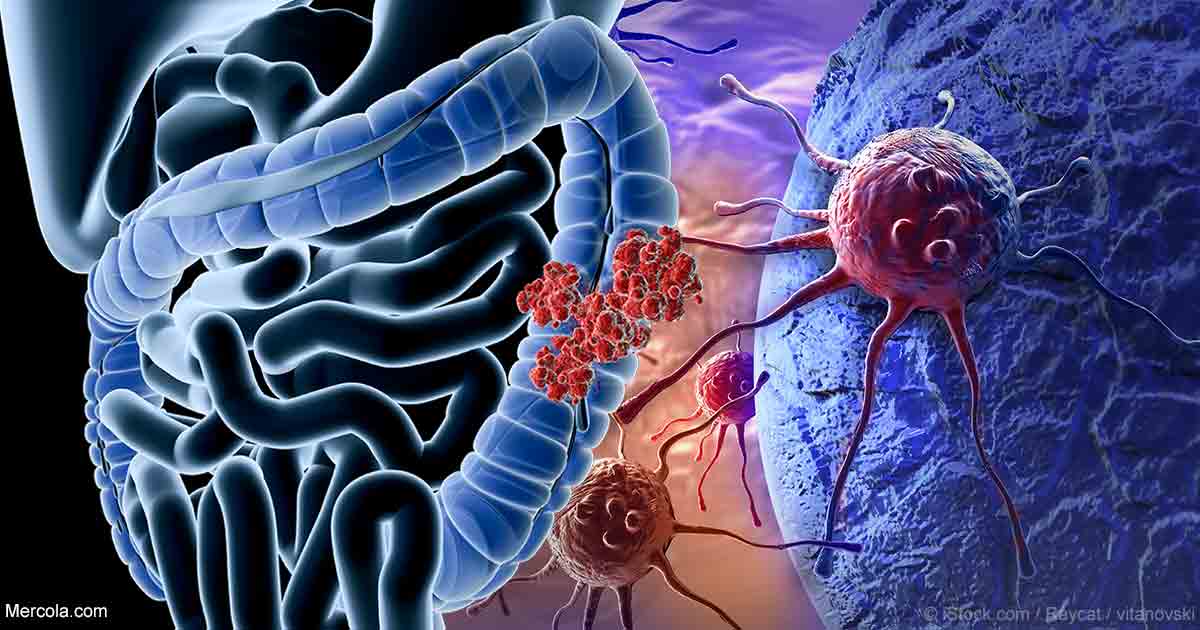
Colon Cancer, Polyps, and Prevention

 Dr. Mercola reported back in 2019 that colon cancer was on the rise. Many other outlets are reporting the same thing in recent news. What is going on and how can we decrease our chances of getting colorectal cancer?

First and foremost, one of the healthiest things we can do for our bodies is to adhere to God's Food Law's as they were put in place by our Creator for a reason. Adam and Eve were given these food laws! Doing research on this topic and educating oneself on a preventative lifestyle for all cancers is always a good idea. 

The following featured posts do not necessarily express the views of The Plain Truth. We are sharing other opinions and will sometimes offer a commentary on anything we may disagree with. 

Here is Dr. Mercola's column: 

Colorectal cancer in younger adults on the rise

Colorectal cancer is often thought of as a disease that affects older adults, but new statistics say otherwise. Rates of colorectal cancer in men and women under the age of 50 have risen in recent years, and scientists are concerned the spike may continue. When diagnosed early, colorectal cancer is curable. With a healthy diet and physical activity, up to 50% of cases are even preventable. But lack of awareness in younger patients may be playing a large role in the increase.

coloncancer

Not only have researchers seen a spike in the number of cases in men and women in their 20s and 30s, but they believe the increases are accelerating. Dr. Darren Brenner, lead author of a colorectal cancer study published recently in the journal JAMA Network Open, said, “We thought that this trend would slow down or level off after people first noticed it a few years ago. But every year we keep seeing the increase in colorectal cancer among young people, and it is very alarming.”

In the study, Brenner and his colleagues found an increase of 3.47% in colorectal cancer rates among Canadian men under 50, between 2006 and 2015. Between 2010 and 2015, rates among women under the age of 50 increased by 4.45%. Researchers believe colon and rectal cancers may be decreasing among older adults due to increased awareness and use of screening tests, such as colonoscopies. Colonoscopies are able to recognize and remove colon polyps before cancer has a chance to develop.

Colorectal cancer is largely linked to lifestyle habits, so like many types of cancer, it is often preventable. Research suggests that only 5 to 10% of cancer cases are due to genetic defects, while the rest are linked to environment and lifestyle factors. Making healthy choices today can help significantly lower your risk of colorectal cancer, along with other types of cancer and serious health issues. Top tips to help prevent colon cancer include:

  1. Eat more vegetables — Vegetables contain an array of antioxidants and other disease-fighting compounds that are very difficult to get anywhere else. They’re also one of the best forms of dietary fiber. Studies have repeatedly shown that people with higher vegetable intake have lower rates of cancer.
  2. Eat more fiber — Dietary fiber has been associated with a reduced risk of colorectal cancer, particularly incident colorectal adenoma and distal colon cancer. Further, for every 10 grams of fiber you add to your daily diet, your risk of colon cancer decreases by 10%.
  3. Optimize your vitamin D levels — Vitamin D deficiency is a risk factor for colorectal cancer. Research has shown those with higher blood levels of vitamin D were less likely to develop colorectal tumors.
  4. Avoid processed meats — The nitrates found in processed meats are frequently converted into nitrosamines, which are clearly associated with an increased risk of certain cancers.
  5. Be knowledgeable about red meat consumption — Research suggests that people who eat the most red meat (in one study this was 5 ounces a day) have a 24% greater risk of colorectal cancer than those who eat the least.
  6. Exercise — Studies suggest physically active men and women have about a 30 to 40% reduction in the risk of developing colon cancer compared to those who are inactive.
  7. Maintain a healthy weight and control belly fat — Studies have linked obesity to an increased risk for about a dozen different cancers, including cancer of the colon.
  8. Limit your alcohol intake and quit smoking — Both excessive alcohol intake and smoking are associated with an increased risk of colorectal cancer.
______________________________________________________
The Dailymail.com even covered the topic this past March of 2023:

Mystery of colon cancer epidemic among young people: Rates have doubled among under-55s since the 1990s — and experts don't know why

"Experts are not sure what is behind the shift, but unhealthy diets, alcohol consumption and sedentary lifestyles have all been blamed for the higher rates.

But this may not explain why other cancers have remained flat or continued to tumble in under-55s at the same time, scientists say.

Cancers of the colon and rectum are the third most common type in the US and the third leading cause of death of both men and women.

It is most often diagnosed in people aged 65 to 74. Early warning signs including blood in feces, abdominal pain and unintended weight loss.

These are often missed in younger age groups, with doctors instead believing they are warning signs of another illness instead of cancer associated with the elderly.

Dr Rebecca Segel, senior scientific director of surveillance research at the American Cancer Society and lead author, said: 'We know rates are increasing in young people.

'But it's alarming to see how rapidly the whole patient population is shifting younger, despite shrinking numbers in the overall population.

'The trend toward more advanced disease in people of all ages is also surprising and should motivate everyone 45 and older to get screened'.

The truth of it is, we all have cancer cells in our body, it is just when they start teaming up and clustering where we have a problem. Here are some excellent videos from Dr. Berg on the truth about polyps and preventative actions measures to lessen the potential of cancers and that increase the function of the body to fight cancer cells."

Dr. Berg explains cancer like this: cancer is a dysfunction of your mitochondria (inside your cells) it changes and starts to adapt to an ancient metabolic pathway that involves fermentation of its fuel; it loses its mortality and keeps reproducing and it is also a sugar hog. When they do a pet they scan areas of higher levels of glucose metabolism.

He says that lowering any inflammation in the body is paramount to cancer prevention and highlights how important your diet is which obviously is a main contributor to inflammation. 


As you can see and hear, there are many triggers that lead someone to being more susceptible to different types of cancers and there are so many people suffering that have followed a very straight and narrow diet and lifestyle. The Plain Truth is that God has given us great help in how to live an amazing life! He loves us. (John 14:21) He wants the best for us. He wants to bless us and make our food amazing (Isaiah 1:19) and heal our land (2Chron 7:14) and take our sickness away (Exodus 23:25) and set us high above all the nations of the earth! (Deut 28:1)

God wants the best for His Family, for us, for we are His children! Here are some featured writings from The Plain Truth on His dietary laws. 


The Shocking Link Between Your Liver and Your Feet

When you watch the old black and white movies of the 30's, 40's and 50's, you will hear often by the actors, "it is time for my liver pill!", or "dear, did you take your liver pill, you look a little pale". They were on to something! It is said that our liver is the hub of our health. Eighty percent of our hormones are filtered through the liver and insulin resistance has been proven to originate from a compromised liver for various reasons...but there is more to the liver than you might think. 

Dr. Berg discusses how gout, varicose ankle veins, burning on the bottom of your feet, toe fungus, cracked heels, edema, (and more), reveal issues with your liver. 


Dr. Berg also has a great video on How to get rid of a fatty liver, here

Liver: Anatomy and Functions

Anatomy of the liver

Anatomy of the liver and biliary system with blood vessels

The liver is located in the upper right-hand portion of the abdominal cavity, beneath the diaphragm, and on top of the stomach, right kidney, and intestines.

Shaped like a cone, the liver is a dark reddish-brown organ that weighs about 3 pounds.

There are 2 distinct sources that supply blood to the liver, including the following:

  • Oxygenated blood flows in from the hepatic artery

  • Nutrient-rich blood flows in from the hepatic portal vein

The liver holds about one pint (13%) of the body's blood supply at any given moment. The liver consists of 2 main lobes. Both are made up of 8 segments that consist of 1,000 lobules (small lobes). These lobules are connected to small ducts (tubes) that connect with larger ducts to form the common hepatic duct. The common hepatic duct transports the bile made by the liver cells to the gallbladder and duodenum (the first part of the small intestine) via the common bile duct.

Functions of the liver

The liver regulates most chemical levels in the blood and excretes a product called bile. This helps carry away waste products from the liver. All the blood leaving the stomach and intestines passes through the liver. The liver processes this blood and breaks down, balances, and creates the nutrients and also metabolizes drugs into forms that are easier to use for the rest of the body or that are nontoxic. More than 500 vital functions have been identified with the liver. Some of the more well-known functions include the following:

  • Production of bile, which helps carry away waste and break down fats in the small intestine during digestion

  • Production of certain proteins for blood plasma

  • Production of cholesterol and special proteins to help carry fats through the body

  • Conversion of excess glucose into glycogen for storage (glycogen can later be converted back to glucose for energy) and to balance and make glucose as needed 

  • Regulation of blood levels of amino acids, which form the building blocks of proteins

  • Processing of hemoglobin for use of its iron content (the liver stores iron)

  • Conversion of poisonous ammonia to urea (urea is an end product of protein metabolism and is excreted in the urine)

  • Clearing the blood of drugs and other poisonous substances

  • Regulating blood clotting

  • Resisting infections by making immune factors and removing bacteria from the bloodstream

  • Clearance of bilirubin, also from red blood cells. If there is an accumulation of bilirubin, the skin and eyes turn yellow. 

When the liver has broken down harmful substances, its by-products are excreted into the bile or blood. Bile by-products enter the intestine and leave the body in the form of feces. Blood by-products are filtered out by the kidneys, and leave the body in the form of urine. (Source HopkinsMedicine.org)

The Plain Truth is, when in doubt, look to the liver and find ways to support your liver!