
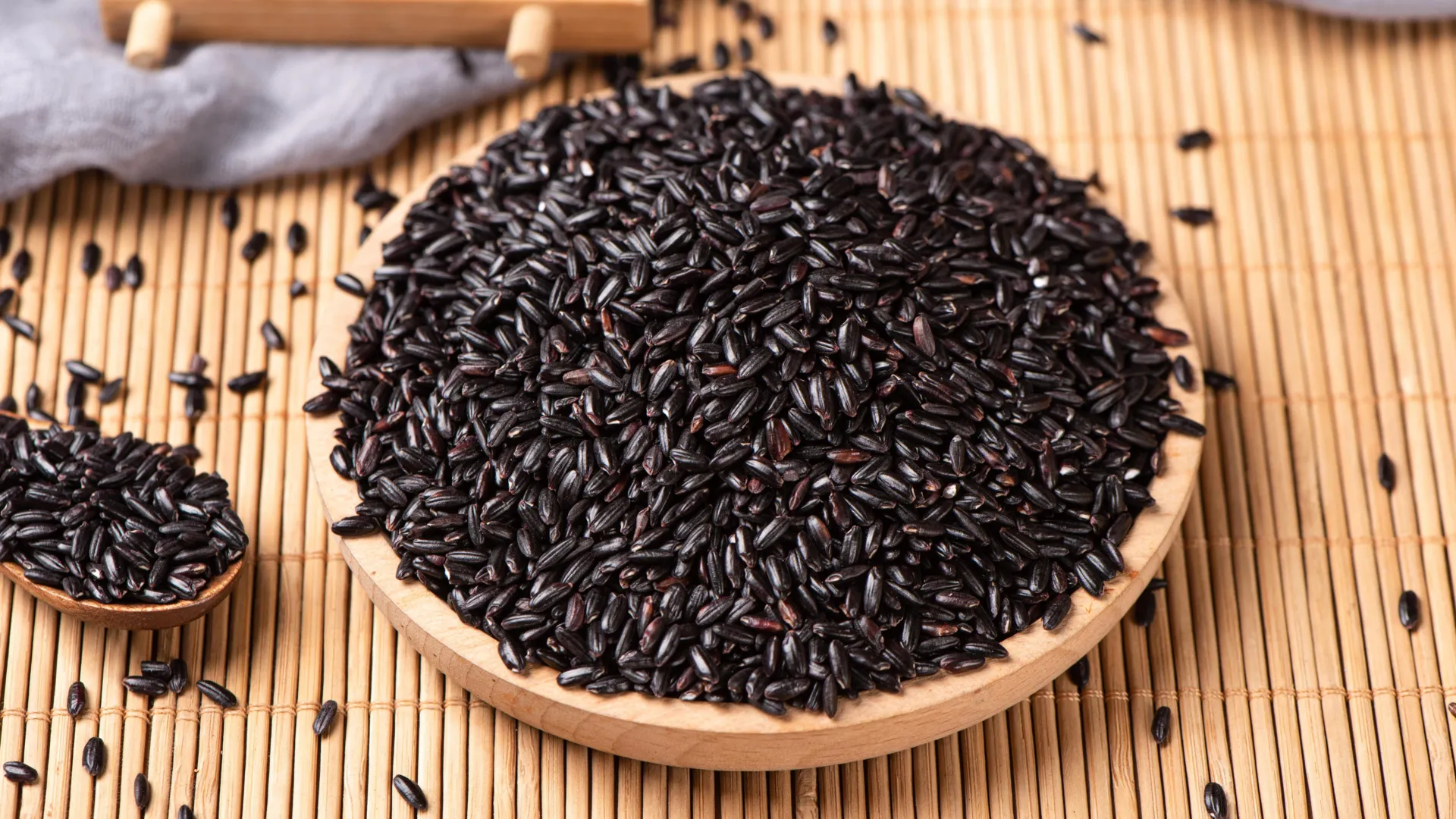
Black and green rice may hide a surprising health advantage, with unique fats and slower-digesting starch that could help support better blood sugar control.
Rice is a dietary staple for more than half of the world's population, but scientists still have much to learn about its nutritional makeup. More than 85% of the rice people eat consists of starch. It also contains protein (around 10%), fat (roughly 2%), vitamins, and trace elements. Because lipids make up such a small share of the grain, they have received far less attention than starch, even though they can influence nutrition, flavor, and overall grain quality.
Researchers at Hokkaido University set out to take a closer look at these overlooked fats by studying japonica rice, the short- to medium-grain type commonly associated with Japanese rice. When cooked, japonica rice typically becomes soft, tender, and slightly sticky. It represents about 15% of rice consumption worldwide.
- September 16, 2026
- Hokkaido University
- Scientists found that black and green Japanese rice contain unusual, potentially beneficial fats and may be digested more slowly than ordinary white rice. The combination could make these colorful varieties promising ingredients for foods designed to support blood sugar and metabolic health.
- READ HERE

No comments:
Post a Comment