Are you going through boxes of tissues weekly, finding yourself consumed with congestion and sneezing fits and wondering if it will ever end?
Here at The Plain Truth Your Health Today Online, we want to share health information that is not only off the beaten path and interesting, but that can actually help you.
Here is a compilation of a great videos on the topic that will hopefully result in some understanding but more importantly, RELIEF!
What exactly are allergies?
Dr. Berg Shares the Missing Link Connecting Your Allergies to Lack of Folate
He further explains how natural histamines can help... Here is a great acupressure technique to help ease allergy symptoms and drain your sinus'.
Maybe herbal relief also will help...
Feeling the sniffles? Check out these herbs for allergy relief
Naturalnew.com
ADVERTISEMENT
Most people often rely on over-the-counter medications for addressing allergic reactions. But there are some natural herbal remedies that you can try to provide relief from allergies, and minus the potential side effects. These include the following:
Mullein
Mullein (Verbascum thapsus) is used nowadays for less serious conditions like allergies, sore throat and inflamed tonsils. But according to functional medicine specialist Dr. Sobia Khan, the herb has been a go-to remedy for respiratory issues centuries before antibiotics were developed. Mullein's soothing properties make it a "friend" to the lungs.
Mullein contains antioxidants, such as vitamin C and flavonoids that protect cells from free radicals. It is also good for the lymph glands, a bonus for the immune system during allergy season. Moreover, the herb also possesses antiseptic and antiviral properties that stop pathogens in their tracks.
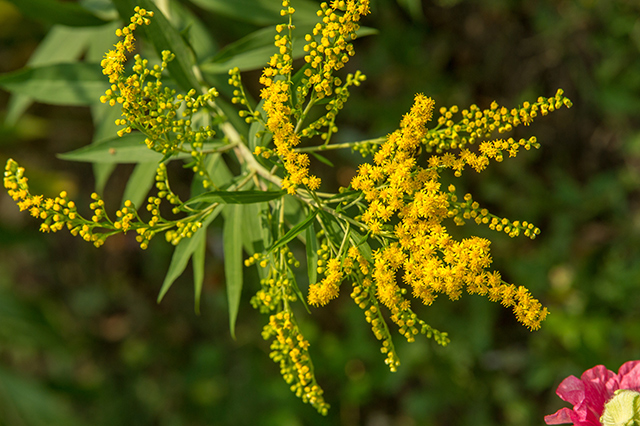
Goldenrod
Often considered a weed, the perennial goldenrod (Solidago canadensis) shouldn't be dismissed as such because of its antioxidant, anti-inflammatory and anti-histamine properties. It is well-known as a decongestant – effectively relieving blockages in the upper respiratory tract. This quality makes goldenrod a good choice for allergies, influenza, sinusitis or the common cold.
S. canadensis owes its medicinal properties to beneficial plant compounds it contains. Flavonoids like kaempferol and quercetin protect cells from damage caused by free radicals. Meanwhile, saponins in goldenrod enhance the immune system and help it ward off harmful pathogens. (Related: Stop spring allergies with these 5 easy-to-source herbs.)
Stinging nettle
Aspiring gardeners often link stinging nettle (Urtica dioica) with a painful encounter. However, the Arizona-based Sinus & Allergy Wellness Center considers it one of the most effective herbs for allergic rhinitis. In fact, stinging nettle has been used back in Ancient Greece for its anti-inflammatory properties.
Outside its painful quality, stinging nettle is a powerful antioxidant, astringent, antimicrobial and analgesic. It can reduce allergy-related inflammation without producing any adverse side effects. As a bonus, the leaves of stinging nettle can be cooked and added to salads, soups or stews – much like most green, leafy vegetables.
Horehound
A bitter herb of the mint family, horehound (Marubium vulgare) is often used in cough drops that help loosen mucus – making it one of the most ingested herbs in the United States. Given its potential to help suppress a nasty cough, the herb also shows potential to treat seasonal allergies. Horehound can relieve stuffiness, so it's ideal to take it when the allergy-related sniffles hit.
M. vulgare's medicinal properties stem from its plant compounds, such as trace amounts of volatile oils, alkaloids, flavonoids and diterpenes. Marrubiin, the most active diterpene in horehound, is responsible for the herb's expectorant properties. Moreover, the bitter-tasting marrubiin increases the flow of saliva and gastric juice – stimulating the appetite as a result.
Rosemary
Rosemary (Salvia rosmarinus) is more than just a cooking herb: It also helps address inflammation caused by allergic reactions, thanks to its bioactive compound rosmarinic acid. One study published in International Immunopharmacologyexpounded on this anti-inflammatory effect.
According to the study authors, rosmarinic acid greatly decreased the inflammation in mucus cells and hyper-secretion of mucus cells in an animal model of asthma. They also found that the plant compound reduced the number of goblet cells that trigger mucus hyper-secretion. Goblet cells often multiply in response to different factors such as cigarette smoke, particles and toxins.
It is best to avoid getting bitten by a mosquito and here is why...getting bitten by a mosquito could result in a great deal of health issues and even death. Let's look at what happens when you get bitten by a mosquito!
By Jennifer Rae Vliet
What Happens To Your Body When It's Bitten By A Mosquito
BY JOEY KEOGH from TheList.com Mosquitoes must find nothing more delicious than human skin. That's how it feels when you're covered in itchy bites, agonizing over how to avoid scratching. So what really happens when these deadly insects bite us?
The female mosquito lands on your skin and extends her proboscis (a narrow part of the mouth used to retrieve blood) into it as she tries to locate a yummy blood vessel. Mosquitoes aren't teeny vampires, though, they just need protein-rich blood to produce eggs and propagate their species.
The mosquito injects us with a vasodilator, which keeps blood flowing rather than clotting while it feeds. It is this injection of the mosquito's saliva that causes the problem. As Dr. Renee Matthews, MD notes, our body reacts pretty strongly to this. "When a mosquito bites us, our body's immune system creates histamines, causing the skin around the mosquito bite to itch," she advises. Still, you might not notice right away and may even start itching hours later. Likewise, "Redness and swelling are part of the immune reaction, as well."
The Purpose for Mosquitos according to ThoughtCo.com in a column on The Most Interesting Facts About Mosquitos
Why Do Mosquitoes Exist?
Basically, mosquitoes exist because they're next to impossible to wipe out. Species don't exist in a vacuum; as long as they can find food and don't have environmental pressure against them, they'll continue. Mosquitoes are millions of years old as a species. In the ecosystem, they do serve as food for other species (birds, frogs, and fish) and as pollinators. The larvae eat detritus in the water, helping to clean it. There are more than 3,000 species of mosquitoes, but only about 200 bite humans.
So, whats the big deal? Dr. Josh Axe reports that you can actually acquire parasites from a mosquito bite...
How does someone become infected with a parasite?
Believe it or not, a relatively high percentage of adults living in the United States may carry parasites. Where and how does somebody get infected with a parasite?
Parasites are generally acquired from consuming contaminated food or water, but people with imbalanced gut flora, leaky gut syndrome or a weakened immune system may be more susceptible. Some can also be spread through the bite of a mosquito or sand fly, or transmitted to humans from animals such as cows and pigs that are infected with parasites like Cryptosporidium or Trichinella. (SOURCE)
Look what is happening right now in Peru
Brimful clinics, cemeteries as dengue ravages Peru
Piura (Peru) (AFP) – Two months after cyclonic downpours flooded the town of Catacaos in northern Peru, dozens of inhabitants lie sick and dying of dengue, a disease carried by mosquitos attracted by stagnant water.
Near the border with Ecuador, Peru's Piura region is battling a new health crisis even as the South American country is still recovering from the world's highest reported Covid-19 death rate.
This time it is an epidemic of dengue, a viral disease with symptoms ranging from fever, headache and joint pain to bleeding, organ failure and sometimes, death.
The virus is carried by the Aedes aegypti mosquito that lays its eggs in standing water, of which there is a lot in Piura since cyclone Yaku hit northern Peru in March.
Dozens of people were killed and thousands affected as rivers burst their banks, destroying homes and infrastructure.
Half of the Piura region's 416 clinics were damaged by the cyclone that also paralyzed the local economy as thousands lost their ability to survive from informal jobs.
By June 13, Piura had reported 82 dengue deaths -- including 11 children -- and more than 44,000 infections since the start of 2023, said the region's rights ombudsman Cesar Orrego.
This was about a third of the national toll of 248 deaths and more than 146,000 infections.
We have lost control" of the epidemic, vector-borne diseases expert Valerie Paz-Soldan of the Cayetano Heredia University in Lima told AFP.
On Thursday, Peru's health minister resigned over her handling of the crisis.
Most of Piura's 1.8 million inhabitants live along the coast.
In Catacaos, an agricultural area, Yaku turned roads into rivers, destroyed the drinking water and sewerage systems, and ruined mango, grape and rice crops.
Water accumulated in open tanks, hollows and containers, multiplying mosquito breeding grounds. In the heart of Catacaos, the football field is still water-logged.
Multiple fumigation efforts failed to stop the epidemic spreading like wild-fire through the town's rickety homes. (SOURCE)
Then we have the Gates meddling in on nature and we know how things go when The Gates' viewpoint on sustaining life goes...this in its best estimation may sound good to environmentalists but the lack of trust with anything "Bill Gates" related needs to be heavily noted here.
A Company Just Released 150K Genetically Modified Mosquitoes in the United States
Genetically modified mosquitoes were just released in the US for the first time, thanks to a biotech firm funded by Bill Gates.
he Bill Gates-backed biotech firm Oxitec is going ahead with plans to release hundreds of millions of gene-altered mosquitos in Florida in order to test an experimental new form of population control, the company confirmed in a press release. The initial batch of mosquitoes was released this week.
The controversial project, conducted as part of a partnership between the Florida Keys Mosquito Control District (FKMCD) and Oxitec, will see six locations in the region host Oxitec’s gene-hacked male Aedes aegypti mosquitos over the next few months.
Oxitec — which announced a collaboration with the Bill & Melinda Gates Foundation in 2018 — says the new tests could help to greatly reduce populations of the mosquito breed, which is responsible for spreading diseases such as dengue and malaria.
As Oxitec emphasizes in its press statement, the company's mosquitos are male and, therefore, do not bite.
Instead, they are intended to reduce the number of potentially disease-transmitting female Aedes aegypti by introducing a self-limiting gene that sees offspring die before reaching adulthood.
The firm says the Aedes aegypti accounts for only 4 percent of the mosquito population in the Florida Keys, but is responsible for almost all disease transmission. The company also states that community support for the project is "high."
Controversy amid global plans to gene-hack mosquitos
Still, the method is controversial due to the fact that a genetically altered species is being released into an ecosystem with potentially unknown consequences. Critics have also pointed to the fact that this may open doors for firms to use gene-altered invasive species for other uncontrolled projects.
Oxitec faced a backlash in August 2020, when it originally released its Florida Keys plans. In a press statement at the time, Dana Perls, the food and technology Program Manager at Friends of the Earth, said that "the release of genetically engineered mosquitoes will needlessly put Floridians, the environment and endangered species at risk in the midst of a pandemic."
The Oxitec technology has already been tested in São Paulo, Brazil, where after 13 weeks, it suppressed up to 95 percent of the mosquito species.
Oxitec's isn't the only method for gene-altering mosquitos to curb their populations — this month, it was announced that researchers from Imperial College London have successfully altered the gut genes of mosquitos to spread antimalarial genes to their offspring. The same team had previously used the gene-editing tool CRISPR to eradicate a population of Anopheles gambiae in a lab. (SOURCE)
Mosquitos are something to avoid and something to respect all at the same time. I personally do what I need to do to keep from being bitten by them and if I happen to get the unfortunate bite, I always have The Bug Bite Thing tool at the ready. This is not a paid sponsorship but worth the mention because this little tool can help reverse what the mosquito deposits into your skin if you can get to it asap.
God had a purpose for all of His creations and expects us to be good stewards of our land and all that He has given us dominion over. There is a way to protect human life first and foremost and we are so advanced that all's it takes is research on ways to handle the problems that mosquitos can cause. When you look around and gene altering endeavors, it is imperative to look ahead and see how that is going to affect the cycle of life for other species but once again, human life is a priority and as you can clearly see, things can get out of hand and very quickly. The liberal agenda and their displaced compassion to a large degree and an outright mission to punish those of us that want to put humans first. They do not want us to harm life and protect even the flea; and by doing so, they have really tilted the scale and have caused a lot of harm to humankind.
In 2011, the state of California banned the usage of an incredibly effective enzymatic treatment of 2-{1-Methyl-2-(4-phenoxphenoxy) ethoxy} pyridine. By doing so, they actually caused what exterminators were calling a SUPER FLEA. They cared more about the fleas then everybody and every other living thing instead. By not being allowed to control the flea population, animals suffered GREATLY and thus as a result, PEOPLE SUFFERED. Exterminators were using their strongest chemicals and still couldn't control the problem. Outside critters suffered, birds, racoons, squirrels, you name it. FINALLY, they allowed the product back into the state in 2017. It was A LONG 6 years, let me tell you!
The bottom line is, get educated, protect yourself, and let's fight for life and be good stewards with what God has given to us, use our noggins and do what needs to be done as God would see fit!
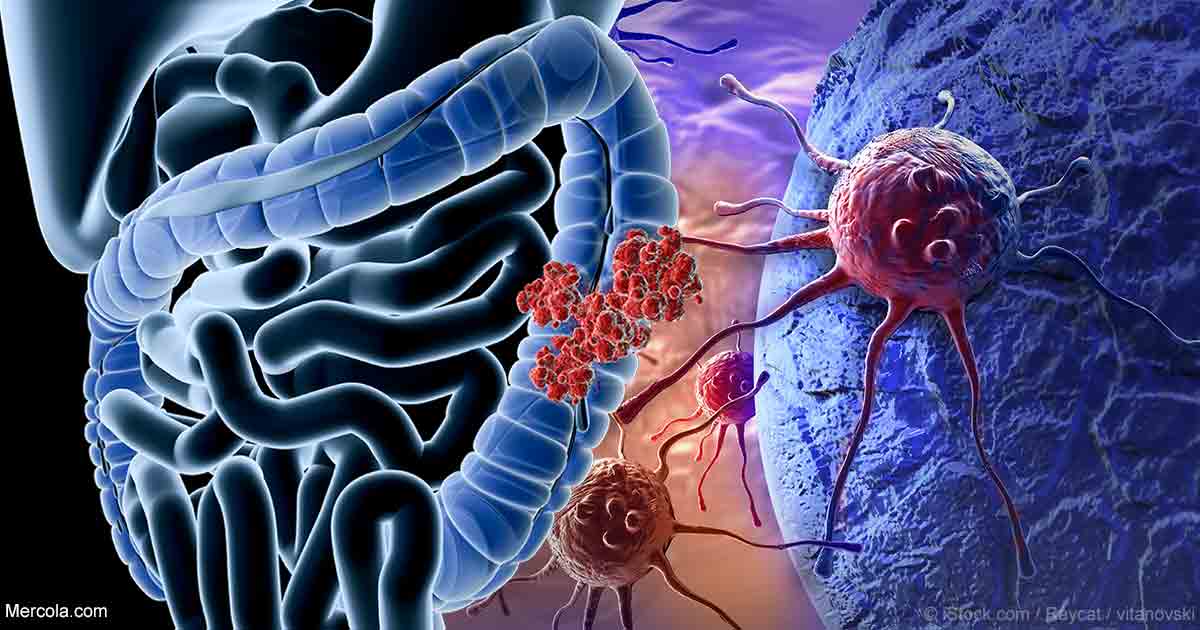
Dr. Mercola reported back in 2019 that colon cancer was on the rise. Many other outlets are reporting the same thing in recent news. What is going on and how can we decrease our chances of getting colorectal cancer?
First and foremost, one of the healthiest things we can do for our bodies is to adhere to God's Food Law's as they were put in place by our Creator for a reason. Adam and Eve were given these food laws! Doing research on this topic and educating oneself on a preventative lifestyle for all cancers is always a good idea.
The following featured posts do not necessarily express the views of The Plain Truth. We are sharing other opinions and will sometimes offer a commentary on anything we may disagree with.
Here is Dr. Mercola's column:
Colorectal cancer in younger adults on the rise
Colorectal cancer is often thought of as a disease that affects older adults, but new statistics say otherwise. Rates of colorectal cancer in men and women under the age of 50 have risen in recent years, and scientists are concerned the spike may continue. When diagnosed early, colorectal cancer is curable. With a healthy diet and physical activity, up to 50% of cases are even preventable. But lack of awareness in younger patients may be playing a large role in the increase.
Not only have researchers seen a spike in the number of cases in men and women in their 20s and 30s, but they believe the increases are accelerating. Dr. Darren Brenner, lead author of a colorectal cancer study published recently in the journal JAMA Network Open, said, “We thought that this trend would slow down or level off after people first noticed it a few years ago.But every year we keep seeing the increase in colorectal cancer among young people, and it is very alarming.”
In the study, Brenner and his colleagues found an increase of 3.47% in colorectal cancer rates among Canadian men under 50, between 2006 and 2015. Between 2010 and 2015, rates among women under the age of 50 increased by 4.45%. Researchers believe colon and rectal cancers may be decreasing among older adults due to increased awareness and use of screening tests, such as colonoscopies. Colonoscopies are able to recognize and remove colon polyps before cancer has a chance to develop.
Colorectal cancer is largely linked to lifestyle habits, so like many types of cancer, it is often preventable. Research suggests that only 5 to 10% of cancer cases are due to genetic defects, while the rest are linked to environment and lifestyle factors. Making healthy choices today can help significantly lower your risk of colorectal cancer, along with other types of cancer and serious health issues. Top tips to help prevent colon cancer include:
Eat more vegetables — Vegetables contain an array of antioxidants and other disease-fighting compounds that are very difficult to get anywhere else. They’re also one of the best forms of dietary fiber. Studies have repeatedly shown that people with higher vegetable intake have lower rates of cancer.
Eat more fiber — Dietary fiber has been associated with a reduced risk of colorectal cancer, particularly incident colorectal adenoma and distal colon cancer. Further, for every 10 grams of fiber you add to your daily diet, your risk of colon cancer decreases by 10%.
Optimize your vitamin D levels — Vitamin D deficiency is a risk factor for colorectal cancer. Research has shown those with higher blood levels of vitamin D were less likely to develop colorectal tumors.
Avoid processed meats — The nitrates found in processed meats are frequently converted into nitrosamines, which are clearly associated with an increased risk of certain cancers.
Be knowledgeable about red meat consumption — Research suggests that people who eat the most red meat (in one study this was 5 ounces a day) have a 24% greater risk of colorectal cancer than those who eat the least.
Exercise — Studies suggest physically active men and women have about a 30 to 40% reduction in the risk of developing colon cancer compared to those who are inactive.
Maintain a healthy weight and control belly fat — Studies have linked obesity to an increased risk for about a dozen different cancers, including cancer of the colon.
Limit your alcohol intake and quit smoking — Both excessive alcohol intake and smoking are associated with an increased risk of colorectal cancer.
The Dailymail.com even covered the topic this past March of 2023:
Mystery of colon cancer epidemic among young people: Rates have doubled among under-55s since the 1990s — and experts don't know why
"Experts are not sure what is behind the shift, but unhealthy diets, alcohol consumption and sedentary lifestyles have all been blamed for the higher rates.
Cancers of the colon and rectum are the third most common type in the US and the third leading cause of death of both men and women.
It is most often diagnosed in people aged 65 to 74. Early warning signs including blood in feces, abdominal pain and unintended weight loss.
These are often missed in younger age groups, with doctors instead believing they are warning signs of another illness instead of cancer associated with the elderly.
Dr Rebecca Segel, senior scientific director of surveillance research at the American Cancer Society and lead author, said: 'We know rates are increasing in young people.
'But it's alarming to see how rapidly the whole patient population is shifting younger, despite shrinking numbers in the overall population.
'The trend toward more advanced disease in people of all ages is also surprising and should motivate everyone 45 and older to get screened'.
The truth of it is, we all have cancer cells in our body, it is just when they start teaming up and clustering where we have a problem. Here are some excellent videos from Dr. Berg on the truth about polyps and preventative actions measures to lessen the potential of cancers and that increase the function of the body to fight cancer cells."
Dr. Berg explains cancer like this: cancer is a dysfunction of your mitochondria (inside your cells) it changes and starts to adapt to an ancient metabolic pathway that involves fermentation of its fuel; it loses its mortality and keeps reproducing and it is also a sugar hog. When they do a pet they scan areas of higher levels of glucose metabolism.
He says that lowering any inflammation in the body is paramount to cancer prevention and highlights how important your diet is which obviously is a main contributor to inflammation.
As you can see and hear, there are many triggers that lead someone to being more susceptible to different types of cancers and there are so many people suffering that have followed a very straight and narrow diet and lifestyle. The Plain Truth is that God has given us great help in how to live an amazing life! He loves us. (John 14:21) He wants the best for us. He wants to bless us and make our food amazing (Isaiah 1:19) and heal our land (2Chron 7:14) and take our sickness away (Exodus 23:25) and set us high above all the nations of the earth! (Deut 28:1)
God wants the best for His Family, for us, for we are His children! Here are some featured writings from The Plain Truth on His dietary laws.
When you watch the old black and white movies of the 30's, 40's and 50's, you will hear often by the actors, "it is time for my liver pill!", or "dear, did you take your liver pill, you look a little pale". They were on to something! It is said that our liver is the hub of our health. Eighty percent of our hormones are filtered through the liver and insulin resistance has been proven to originate from a compromised liver for various reasons...but there is more to the liver than you might think.
Dr. Berg discusses how gout, varicose ankle veins, burning on the bottom of your feet, toe fungus, cracked heels, edema, (and more), reveal issues with your liver.
The liver is located in the upper right-hand portion of the abdominal cavity, beneath the diaphragm, and on top of the stomach, right kidney, and intestines.
Shaped like a cone, the liver is a dark reddish-brown organ that weighs about 3 pounds.
There are 2 distinct sources that supply blood to the liver, including the following:
Oxygenated blood flows in from the hepatic artery
Nutrient-rich blood flows in from the hepatic portal vein
The liver holds about one pint (13%) of the body's blood supply at any given moment. The liver consists of 2 main lobes. Both are made up of 8 segments that consist of 1,000 lobules (small lobes). These lobules are connected to small ducts (tubes) that connect with larger ducts to form the common hepatic duct. The common hepatic duct transports the bile made by the liver cells to the gallbladder and duodenum (the first part of the small intestine) via the common bile duct.
Functions of the liver
The liver regulates most chemical levels in the blood and excretes a product called bile. This helps carry away waste products from the liver. All the blood leaving the stomach and intestines passes through the liver. The liver processes this blood and breaks down, balances, and creates the nutrients and also metabolizes drugs into forms that are easier to use for the rest of the body or that are nontoxic. More than 500 vital functions have been identified with the liver. Some of the more well-known functions include the following:
Production of bile, which helps carry away waste and break down fats in the small intestine during digestion
Production of certain proteins for blood plasma
Production of cholesterol and special proteins to help carry fats through the body
Conversion of excess glucose into glycogen for storage (glycogen can later be converted back to glucose for energy) and to balance and make glucose as needed
Regulation of blood levels of amino acids, which form the building blocks of proteins
Processing of hemoglobin for use of its iron content (the liver stores iron)
Conversion of poisonous ammonia to urea (urea is an end product of protein metabolism and is excreted in the urine)
Clearing the blood of drugs and other poisonous substances
Regulating blood clotting
Resisting infections by making immune factors and removing bacteria from the bloodstream
Clearance of bilirubin, also from red blood cells. If there is an accumulation of bilirubin, the skin and eyes turn yellow.
When the liver has broken down harmful substances, its by-products are excreted into the bile or blood. Bile by-products enter the intestine and leave the body in the form of feces. Blood by-products are filtered out by the kidneys, and leave the body in the form of urine. (Source HopkinsMedicine.org)
The Plain Truth is, when in doubt, look to the liver and find ways to support your liver!
Many soft contact lenses in US made up of PFAS, research suggests
Testing of 18 popular kinds of contact lenses found extremely high levels of organic fluorine, a marker of ‘forever chemicals’
Betsy Reed - The Guardian
Many soft contact lenses in the US are largely made up of compounds called fluoropolymers that are by definition PFAS “forever chemicals”, new research suggests.
Testing of 18 popular kinds of contact lenses found extremely high levels of organic fluorine, a marker of PFAS, in each.
“You could consider [the lenses] almost pure PFAS,” said Scott Belcher, a North Carolina State University researcher and scientific adviser on the contact lens testing.
PFAS are a class of about 14,000 chemicals typically used to make thousands of consumer products resist water, stains and heat. They are called “forever chemicals” because they do not naturally break down, and they are linked to cancer, fetal complications, liver disease, kidney disease, autoimmune disorders and other serious health issues.
The testing, commissioned by the Mamavation and Environmental Health News public health blogs and conducted at an Environmental Protection Agency-certified lab, looked for organic fluorine in lenses made by Acuvue, Alcon and Coopervision. It found the chemical at levels between 105 parts per million (ppm) to 20,700ppm.
The chemistry is complex and there may be some other ingredients in the lenses, but the readings suggest fluoropolymers. Fluoropolymer PFAS in this form are essentially a soft plastic material and are used for disposable, soft lenses because “they have the properties that your eyes want”, Belcher said.
“It wants to get oxygen and doesn’t want bacteria to grow like crazy, and it wants lenses to be smooth and comfortable,” he added.
It is difficult to say what kind of health impacts this level of eye exposure to the chemicals may have because no studies on how the eyes absorb PFAS from lenses have been done. However, PFAS are absorbed through the dermis and are highly mobile compounds, so it’s possible that eyes do absorb some level of the chemicals, though fluoropolymers are generally a less mobile kind of PFAS.
But PFAS also break down into different types of PFAS once in the environment, so it is possible that the polymers turn into dangerous forms of the chemicals once in the eye or contact packaging, but no studies have been done. Chinese researchers in 2020 linked high PFAS exposure to several eye diseases.
The three lenses with the highest amounts of organic fluorine were Alcon Air Optix (No Hydraglide) for Astigmatism (20,000ppm), Alcon Air Optix Colors with Smartshield Technology (20,700ppm) and Alcon Total30 Contact Lenses for Daily Wear (20,400ppm).
Among the lowest levels included Acuvue Oasys with Hydraclear Plus with UV Blocking (113ppm) and Alcon Dailies Total One-Day Water Gradient for Astigmatism (106ppm).
Coopervision, Alcon, and Johnson and Johnson, which owns Acuvue, did not immediately respond to requests for comment.
Companies rarely disclose when they use PFAS because the federal government allows them to claim it as a trade secret. The chemicals are also so widely used that they can be unintentionally added to products throughout the supply chain. Independent and academic researchers in recent years have found them in a range of products from toilet paper to plastic food containers to fruit juice.
Congress, the EPA, and the Food and Drug Administration have done little to curb the use of PFAS in products, and though some states have begun banning the chemicals’ use in cosmetics and other consumer goods, no state-level laws address contact lenses.
However, Maine recently passed a ban on all non-essential uses of PFAS that will go into effect in 2030, and the EU is considering a similar blanket restriction.
The use of PFAS in contact lenses, which are essentially a medical device, Blecher said, is a case study in the debate over what may or may not constitute an “essential use”.
There’s little that consumers can do to protect themselves beyond wearing glasses or having a conversation with their doctor about possible alternatives, Belcher said. He added that his contacts contain the chemicals but he has not made any changes since learning of the test results.
“There are alternatives that may have some downsides and upsides, but that’s a discussion to have with your doctor,” he said.
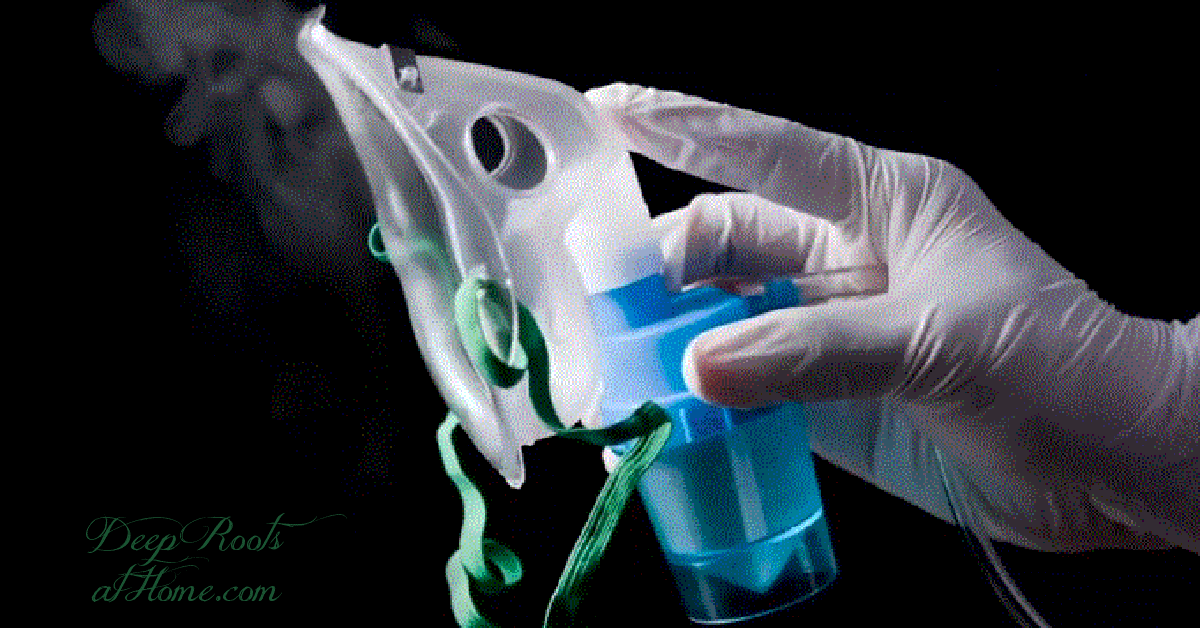
By having a desktop nebulizer and a few inexpensive things on hand (and doing a dry run of this protocol), you will be ready if/when you need to use it and can nip any infection in the bud.
Ideally, nebulizing (with Hydrogen Peroxide and Lugol’s Iodine) is most effective as a ‘mono treatment’ if you do it the same day you have a hint of the onset of flu or Covid associated symptoms (scratchy throat, cough, slight congestion etc.).
Peroxide Nebulization and COVID Resolution
Dr. Mercola points to documentation from two medical doctors who have used nebulized peroxide extensively in their practices: Drs. Thomas Levy and David Brownstein.
Dr. Thomas Levy is someone I really enjoy reading. A great story about Hydrogen Peroxide (HP) Nebulization to treat COVIDexplains exactly how easy and powerful nebulizing HP is – wherever you are!
In summary, Dr. Levi took a trip to Colombia before Covid in 2019, where he treated his wife’s friend with an acute febrile respiratory infection using the nebulizer and 3% HP he had brought with him on the trip. He left it with her and soon the pandemic hit. Months later, he and his wife returned to Columbia to find the woman had used his nebulizer and 3% HP to successfully treat some 20 different individuals with COVID infection. “Of particular note is that some of the patients had such advanced infections that severe respiratory difficulty was apparent. In a similar setting in the United States early in 2020, all of the patients having such severe shortness of breath would have been promptly intubated and given mechanically-assisted ventilation on respirator machines.”
In the event you are an independent thinker, can follow simple directions, and want to stay out of the hospital with early prophylactic or acute use, this anecdotally illustrates the uncomplicated effectiveness and reliability of nebulizing 3% HP.
More Evidence Supporting Saline & Peroxide Nebulization